|
|||||||||||||||||||||||||||||||||||||||||||||||||||||||||||||||||||||||||||||||||||||||||||||||||||||||||||||||||||||||||||||||||||||||||||||||||||||||||||||||||||||||||||||||||||||||||||||||||||||||||||||||||||||||||||||||||||||||||||||||||||||||||||||||||||||||||||||||||||||||||||||||||||||||||||||||||||||||||||||||||||||||||||||||||||||||||||||||||||||||||||||||||||||||||||||||||||||||||||||||||||||||||||||||||||||||||||||||||||||||||||||||||||||||||||||||||||||||||||||||||||||||||||||||||||||||||||||||||||||||||||||||||||||||||||||||||||||||||||||||||||||||||||||||||||||||||||||||||||||||||||||||||||||||||||||||||||||||||||||||||||||||||||||||||||||||||||||||||||||||||||||||||||||||||||||||||||||||||||||||||||||||||||||||||||||||||||||||||||||||||||||||||||||||||||||||||||||||||||||||||||||||||||||||||||||||||||||||||||||||||||||||||||||||||||||||||||||||||||||||||||||||||||||||||||
Survival Containers and Their Importance!In a survival situation, the “survival container” is one of the most overlooked and underrated tools in terms of its value in a survival kit or bug out bag. The survival container is actually one of the most versatile tools in any kit and can be an absolute lifesaver if properly factored into your kit. Containers can serve a multitude of purposes. They can keep things protected from moisture. They can also keep items from drying out. They can protect things from dirt and damage or from getting lost. They help us organize things. Containers can also help us keep things clean. But most of all they can help you carry things… specifically important things like water, tinder, fishing kits, first aid items, foraged food items, ammunition and much much more.
So let’s define “survival container”. We at Equip2Survive have a pretty broad definition for the term “survival container”(deliberately): Survival containers are
anything that has the ability to “contain” a single item or multiple items either in your kit or on your person in a survival situation.
Pretty obvious, right? Survival containers include (but are not limited to) bags (simple drawstring sack to sophisticated bug out bags), packs and haversacks for carrying gear… pockets (both in your bags/packs and your clothing), add-on pouches (molle, leather and more), metal and plastic bottles, sheaths for knives and tools, metal tins, Zip-Lock bags, baskets, gear and cargo nets, capsules and so much more. Even survival caches and shipping containers are examples of survival containers!
|

|
||||||||||||||||||||||||||||||||||||||||||||||||||||||||||||||||||||||||||||||||||||||||||||||||||||||||||||||||||||||||||||||||||||||||||||||||||||||||||||||||||||||||||||||||||||||||||||||||||||||||||||||||||||||||||||||||||||||||||||||||||||||||||||||||||||||||||||||||||||||||||||||||||||||||||||||||||||||||||||||||||||||||||||||||||||||||||||||||||||||||||||||||||||||||||||||||||||||||||||||||||||||||||||||||||||||||||||||||||||||||||||||||||||||||||||||||||||||||||||||||||||||||||||||||||||||||||||||||||||||||||||||||||||||||||||||||||||||||||||||||||||||||||||||||||||||||||||||||||||||||||||||||||||||||||||||||||||||||||||||||||||||||||||||||||||||||||||||||||||||||||||||||||||||||||||||||||||||||||||||||||||||||||||||||||||||||||||||||||||||||||||||||||||||||||||||||||||||||||||||||||||||||||||||||||||||||||||||||||||||||||||||||||||||||||||||||||||||||||||||||||||||||||||||||||
|
|||||||||||||||||||||||||||||||||||||||||||||||||||||||||||||||||||||||||||||||||||||||||||||||||||||||||||||||||||||||||||||||||||||||||||||||||||||||||||||||||||||||||||||||||||||||||||||||||||||||||||||||||||||||||||||||||||||||||||||||||||||||||||||||||||||||||||||||||||||||||||||||||||||||||||||||||||||||||||||||||||||||||||||||||||||||||||||||||||||||||||||||||||||||||||||||||||||||||||||||||||||||||||||||||||||||||||||||||||||||||||||||||||||||||||||||||||||||||||||||||||||||||||||||||||||||||||||||||||||||||||||||||||||||||||||||||||||||||||||||||||||||||||||||||||||||||||||||||||||||||||||||||||||||||||||||||||||||||||||||||||||||||||||||||||||||||||||||||||||||||||||||||||||||||||||||||||||||||||||||||||||||||||||||||||||||||||||||||||||||||||||||||||||||||||||||||||||||||||||||||||||||||||||||||||||||||||||||||||||||||||||||||||||||||||||||||||||||||||||||||||||||||||||||||||
|
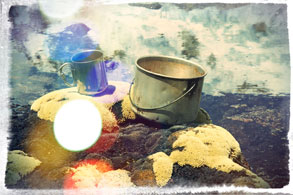
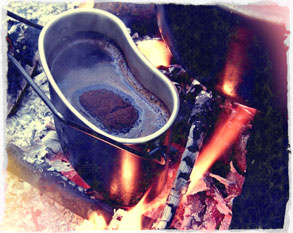
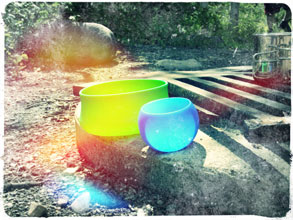
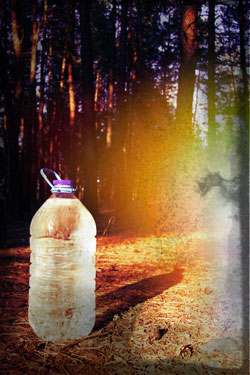
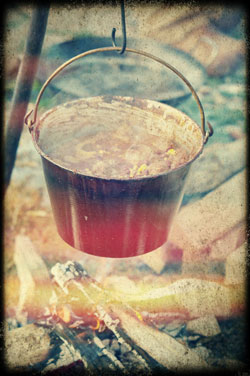
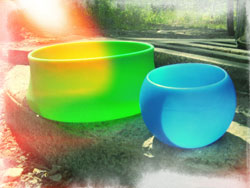
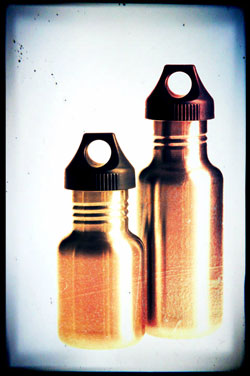
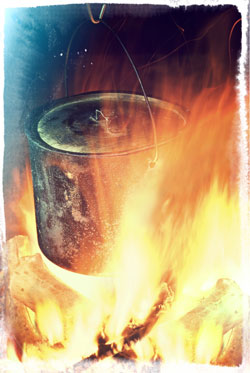
Choose the Right Container for the Job Containers are available in many sizes shapes and materials, each having their own set of advantages and disadvantages. Fabric, plastic, glass, metal, leather, wood, Tyvek, silicon (Guyot Design Squishy Bowls)… the list goes on and on. Some of the more popular containers for survival enthusiasts include large plastic bags, Zip-Lock bags, oven bags, lexan water bottles, tackle boxes, Otter Boxes, dry bags, storage bins, tool boxes, stainless steel bottles, metal tins, aluminum capsules, leather and kydex sheaths, molle pouches, bandanas or handkerchiefs (folded with contents protected inside), and many more. Plastic containers are extremely common and versatile. In this “throw away society” we live in, so many of the products that we use every day come in plastic containers that can easily be purposed into survival containers. Plastic makes wonderful containers that are useful in so many applications and they are available in so many shapes and sizes. Plastic can even be transparent (allowing you to see what’s inside and how much, and allowing sunlight/UV in for purifying water) like glass but can take more abuse than glass generally can. It can also be flexible (plastic bags for example) allowing it to conform in and around other items, useful for saving space and even cushioning other items. Plastic is a terrific container material in many applications, but plastic does have its limitations. It is not nearly as heat resistant as metal, making it a slightly less than ideal choice as your primary survival bottle material than say stainless steel, which you can put directly into a fire to boil your water (Only use single-walled bottles to do this. Double-wall insulated bottles prevent the heat from your fire from passing through properly to boil water and can actually explode in this kind of heat application) . Plastic is also generally water/air tight, so if you need something (like tinder) to dry out as you carry it, you would probably be better served by storing your damp tinder in a fabric pouch so that moisture can more easily escape. Moist items are more likely to stay that way (or even mold on you) in a sealed up plastic enclosure. Always evaluate your specific needs when choosing a container and select an survival container option that is the best size, shape, material for that task.
First of all, we would probably put it all neatly in a nice pack of some kind. A pack is a form of container . And then that pack would probably have all sorts of pockets and compartments ( pockets are micro containers within the primary container) in it and we would use those to organize our gear… typically by category, right? For example, we would likely try to put all of our fire making items together in one pocket, then our water treatment in another pocket, repair items in another, etc. Or if our pack pockets just weren’t quite what we need to get the job done well, we supplement our pack’s built in organization tools with some molle pouches or maybe some pouches, tins or other containers inside our pack to further organize our kit. Maybe put some petroleum cotton balls in an old film canister, prescription bottle or pill capsule? Maybe put those and some fat wood and jute twine all together in an Altoids tin? Then put that tin in a molle pouch with a lighter, fire steel, and some survival matches and a candle in a tin?
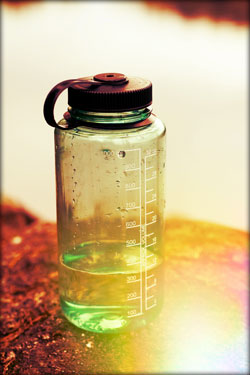
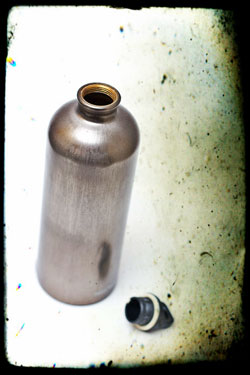
Bottles have become the standard for civilian use. Nalgene bottles have been popular for the past ten year or so because they are made of a tough and transparent material used in the food industry called Lexan. Stainless steel bottles have risen in popularity and the last few years. The Sigg bottle became a household name and was the “it” bottle to have for a while. Now other companies like Guyot Designs and Klean Kanteen have come out with versions of their own that are currently very popular. I enjoy my standard old Nalgene (pre BPA free days!) for everyday use because it is transparent, easy to clean in the dishwasher, I have a neoprene skin for it and an after-market spout I enjoy drinking from. But for my various survival kits and bug out bags I much prefer metal water bottles so that I can use them for boiling if I need to. I also like wide mouth bottle designs because they are so much easier to clean and add ice to or insert a spoon for soup noodles. Metal Water Bottles are typically offered in aluminum, stainless steel or titanium varieties. Each of these metals has its own set of advantages and disadvantages. I personally prefer aluminum (except in specific applications when I will be using as a cooking surface. Stainless is much easier to clean) because it is lighter than steel and far less expensive than both stainless steel and titanium. Water boils more quickly in aluminum than it does in stainless steel as well because it is a better conductor of heat. Some individuals prefer stainless steel because they fear aluminum “leeching into their water”… an “issue” I believe has been completely overblown by the media since the 1960s, much like the more recentwith water bottles. There is no conclusive evidence that aluminum has any harmful effects when used as a container for water, even if boiled in it. If the lightweight of aluminum appeals to you but fear potential long term toxicity of aluminum and money is not an issue, then you can always throw down on titanium for the best of both worlds. Many of these metal bottles are offered in a double-wall insulated variety as well which are great for sipping on some coffee on your drive to work or a cold beverage while you sit at your desk, but these double-walled bottles are not my recommendation for depending on in a survival situation. Bladders (like CamelBak and Platypus) are also a great option. Again, can’t boil in them, but if you have a filter and/or chemical treatments, a hydration bladder could work just great for you.
TIP!
:
Bottles take up precious room in your kit, but typically we keep them in our kit empty, right? That being the case, why not store a few kit items INSIDE of your bottle to get more mileage out of your kit “real estate”? Since bottles are designed to keep water in, they are also great at keeping water out which means they are a great place to keep things like a fire kit until you actually need to use bottle for water.
|
|
||||||||||||||||||||||||||||||||||||||||||||||||||||||||||||||||||||||||||||||||||||||||||||||||||||||||||||||||||||||||||||||||||||||||||||||||||||||||||||||||||||||||||||||||||||||||||||||||||||||||||||||||||||||||||||||||||||||||||||||||||||||||||||||||||||||||||||||||||||||||||||||||||||||||||||||||||||||||||||||||||||||||||||||||||||||||||||||||||||||||||||||||||||||||||||||||||||||||||||||||||||||||||||||||||||||||||||||||||||||||||||||||||||||||||||||||||||||||||||||||||||||||||||||||||||||||||||||||||||||||||||||||||||||||||||||||||||||||||||||||||||||||||||||||||||||||||||||||||||||||||||||||||||||||||||||||||||||||||||||||||||||||||||||||||||||||||||||||||||||||||||||||||||||||||||||||||||||||||||||||||||||||||||||||||||||||||||||||||||||||||||||||||||||||||||||||||||||||||||||||||||||||||||||||||||||||||||||||||||||||||||||||||||||||||||||||||||||||||||||||||||||||||||||||||
|
|
|||||||||||||||||||||||||||||||||||||||||||||||||||||||||||||||||||||||||||||||||||||||||||||||||||||||||||||||||||||||||||||||||||||||||||||||||||||||||||||||||||||||||||||||||||||||||||||||||||||||||||||||||||||||||||||||||||||||||||||||||||||||||||||||||||||||||||||||||||||||||||||||||||||||||||||||||||||||||||||||||||||||||||||||||||||||||||||||||||||||||||||||||||||||||||||||||||||||||||||||||||||||||||||||||||||||||||||||||||||||||||||||||||||||||||||||||||||||||||||||||||||||||||||||||||||||||||||||||||||||||||||||||||||||||||||||||||||||||||||||||||||||||||||||||||||||||||||||||||||||||||||||||||||||||||||||||||||||||||||||||||||||||||||||||||||||||||||||||||||||||||||||||||||||||||||||||||||||||||||||||||||||||||||||||||||||||||||||||||||||||||||||||||||||||||||||||||||||||||||||||||||||||||||||||||||||||||||||||||||||||||||||||||||||||||||||||||||||||||||||||||||||||||||||||||
|
Packs and Bags
When considering a pack or bag, first consideration should be how you intend to use it. Is this bag going to sit in your closet by your front door that you quickly grab on the way out in an emergency? Like a bug out bag or mobile 72 hour kit? If so, it should probably at least be something with handles you can easily grab and maybe a good shoulder strap for carrying on moderate treks. Is this bag going to sit in your vehicle until you need it? Maybe a duffle or tub would work, but a “bug out” style bag might be even better. Haversacks are a very simple sack with one main compartment and a single shoulder strap. Simple school style backpacks are a slight upgrade in that they have a few additional pockets and are at least slightly adjustable. Duffle bags are not a great option for carrying and walking with, but can be sufficient for vehicle use. We prefer more of a “bug out bag” style bag with lots of pockets, a shoulder strap, handles, molle straps, zippers and more. These bags are great for keeping gear organized and are more comfortable to carry. If you plan on carrying your bag of gear and supplies a significant distance by foot, then you really need to get yourself something designed for carrying gear for hours at a time like this. There are some really great Maxpedition bags that are some of my favorite bags because of how well designed and well made they are, but they do have a bit of a tactical look to them. Don’t get me wrong… I actually like the tactical look, but in a real survival situation the tactical look can be a negative in that it can draw unwanted attention to you. Backpacking packs are actually a truly great option for a SHTF scenario in that no packs are better designed to carry gear comfortably for long periods of time than a backpacking pack. Plus a regular backpacking pack looks far less threatening than a military looking pack meaning they tend to draw far less attention.
Roll top dry bags are very popular with the canoeing, kayaking, and rafting communities, but they should be considered by survival enthusiasts frequently than they are. They are basically a soft rubber coated bag that you can stuff with clothing or gear and then seal shut by rolling up the top and buckling it in place. They are extremely water resistant. These bags are super versatile. Not only can they keep gear and clothing dry like few other soft bags, they can also be used to carry water inside like a bladder! There is even a large version with adjustable shoulder straps like a backpack! Katadyn has even taken the concept even further taking one of these dry bags and adding a gravity fed water filter inside and a drip hose leading out creating a no pump water filter! This wonderful design can be a dry bag, water carrier and water filter all in one!!! Talk about multi-purpose!! Let’s take a look at some survival container ideas
Reclaimed and Reconstituted:
|
|
||||||||||||||||||||||||||||||||||||||||||||||||||||||||||||||||||||||||||||||||||||||||||||||||||||||||||||||||||||||||||||||||||||||||||||||||||||||||||||||||||||||||||||||||||||||||||||||||||||||||||||||||||||||||||||||||||||||||||||||||||||||||||||||||||||||||||||||||||||||||||||||||||||||||||||||||||||||||||||||||||||||||||||||||||||||||||||||||||||||||||||||||||||||||||||||||||||||||||||||||||||||||||||||||||||||||||||||||||||||||||||||||||||||||||||||||||||||||||||||||||||||||||||||||||||||||||||||||||||||||||||||||||||||||||||||||||||||||||||||||||||||||||||||||||||||||||||||||||||||||||||||||||||||||||||||||||||||||||||||||||||||||||||||||||||||||||||||||||||||||||||||||||||||||||||||||||||||||||||||||||||||||||||||||||||||||||||||||||||||||||||||||||||||||||||||||||||||||||||||||||||||||||||||||||||||||||||||||||||||||||||||||||||||||||||||||||||||||||||||||||||||||||||||||||
|
|
|||||||||||||||||||||||||||||||||||||||||||||||||||||||||||||||||||||||||||||||||||||||||||||||||||||||||||||||||||||||||||||||||||||||||||||||||||||||||||||||||||||||||||||||||||||||||||||||||||||||||||||||||||||||||||||||||||||||||||||||||||||||||||||||||||||||||||||||||||||||||||||||||||||||||||||||||||||||||||||||||||||||||||||||||||||||||||||||||||||||||||||||||||||||||||||||||||||||||||||||||||||||||||||||||||||||||||||||||||||||||||||||||||||||||||||||||||||||||||||||||||||||||||||||||||||||||||||||||||||||||||||||||||||||||||||||||||||||||||||||||||||||||||||||||||||||||||||||||||||||||||||||||||||||||||||||||||||||||||||||||||||||||||||||||||||||||||||||||||||||||||||||||||||||||||||||||||||||||||||||||||||||||||||||||||||||||||||||||||||||||||||||||||||||||||||||||||||||||||||||||||||||||||||||||||||||||||||||||||||||||||||||||||||||||||||||||||||||||||||||||||||||||||||||||||